Completing a half marathon is a significant personal accomplishment – it’s a great race that challenges and celebrates you as a runner and athlete.
In order to train for a half marathon you will work on becoming stronger by building endurance with long runs and recovery runs. As well as developing your speed by taking on a wide variety of fun speed runs.
How long it takes you to train for a half marathon will depend on your starting point and what you want to achieve, however 12-16 weeks is a good timeframe to work towards.
How you train will depend on your level of stamina and fitness.
Most people training for a half marathon will fall into the following categories:
- Beginner
- Runners looking to improve on their time from a previous half marathon
- Experienced athletes determined to smash their personal best
We’ve created an example 12-week guide for beginners below. For those requiring a longer build-up, for example, 16 weeks, each phase can be extended before progressing onto the next.
This 12-week half-marathon plan will help get you to the starting line so you can run yourself to the finish line.
Beginner
It’s not all about running. A good half marathon training plan incorporates exercises to build your core and leg strength too. This could range from pilates, to single leg activities, to functional resistance movements- you can attend classes or take a look online and take part from your living room. It’s also vitally important to incorporate regular rest days into your plan, alongside regular mobility work such as stretching and using a foam roller (correctly!).
Put simply, you cannot adapt and improve if you are not recovering sufficiently Muscular tightness is a subtle sign that your body is not fully recovering from training sessions.
Weeks 1 - 4
Day 1
Core and leg strength exercises
Day 2
30-minute easy run
Day 3
Rest
Day 4
30-minute easy run
Day 5
Rest
Day 6
Rest or 30-minutes on the bike or cross-trainer
Day 7
40-50-minute easy run with walk breaks every 10/15 minutes
Weeks 5 - 8
Day 1
Core and leg strength exercises
Day 2
30-minute progression run- 10 minutes easy, 10 minutes steady, 10 minutes threshold
Day 3
Rest
Day 4
40-minute steady run
Day 5
Rest
Day 6
Rest or 30-minutes on the bike or cross-trainer
Day 7
60-80-minute easy run with walk breaks every 10/15 minutes
Weeks 9 -12
Day 1
Core and leg strength exercises
Day 2
40-minute progression run- 15 minutes easy, 15 minutes steady, 10 minutes threshold
Day 3
Rest
Day 4
40-minute steady run
Day 5
Rest
Day 6
Rest or 30-minutes on the bike or cross-trainer
Day 7
1 hour 30- 2-hour run aiming for the final hour at a consistent steady pace
Training To Smash Your Targets
The goal is to not only get you stronger and faster but also smarter and more efficient.
If you’re looking to improve your time or smash a personal best your training will take place on the road and in your mind. For this, you will need coaching to take you on the right path.
Our experts have developed a coaching strategy that is underpinned by sport science, medical, and evidence, combined with 20 years of experience working across a range of sports.
This focused approach will help you to establish your goals and commitments; we also carry out a musculoskeletal injury risk screening to establish your physical qualities and limitations.
After this assessment, we create a bespoke and detailed training plan using Training Peaks™ guiding all of your session intensities and targets.
Injury Prevention
By keeping in touch via WhatsApp and scheduled Zoom calls we will analyse your own personal fitness data. This allows us to give you advice on recovery strategies, injury prevention, strength and conditioning, training nutrition, and race preparation.
Running a half marathon is a huge personal achievement, so don’t waste training days and ensure that you achieve your goals with a clear, personalised plan from qualified sports practitioners.
Ready to take the next step?
Book an appointment online and take the next step to smash your half marathon targets.
We Can Help
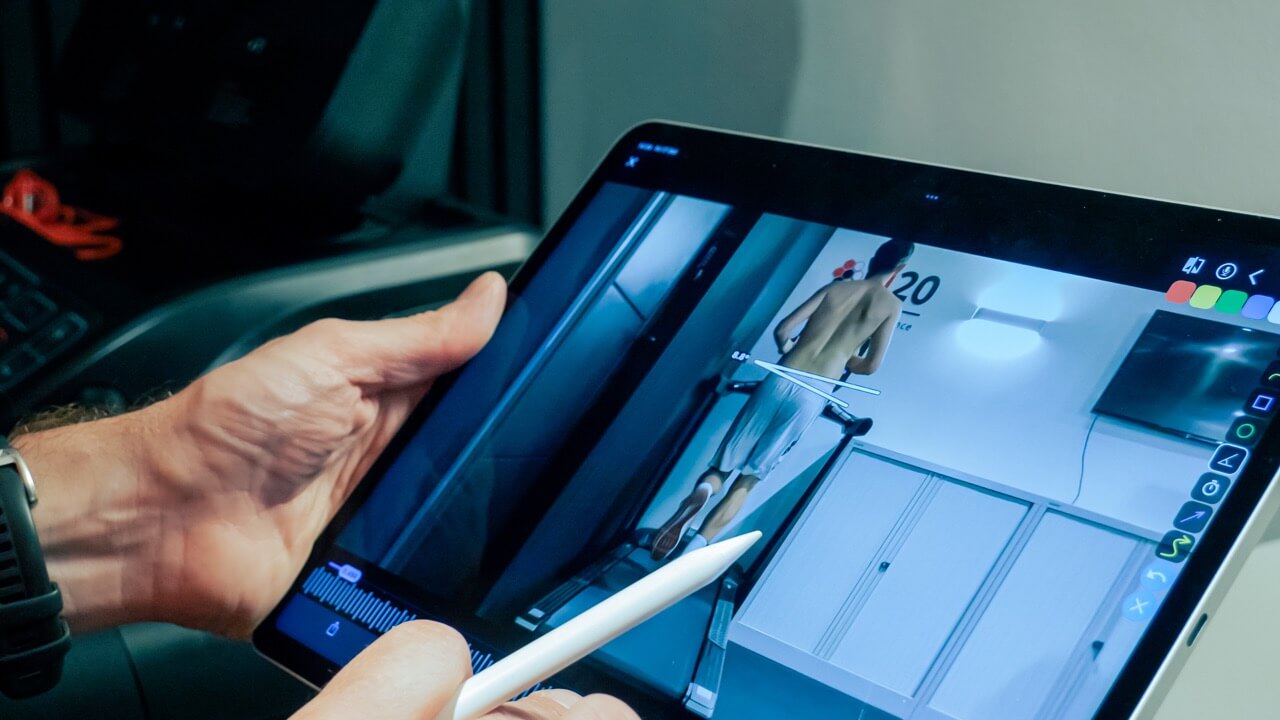
Our expert team is made up of the very best in sports rehabilitation, biomechanics, physiological testing, gait analysis, run injury screening, and run and triathlon coaching.
Avoid putting yourself in danger of developing injury niggles.
Find out more about our Injury Risk Screening, Performance Assessment, and Gait Analysis services and book an appointment here. You can also benefit from a discounted follow-up analysis to ensure your progress and success.