A Caesarean section is a major abdominal surgery, but many women are given very little guidance on how to properly recover beyond the early wound-healing stage. Once the incision has closed and the visible scar begins to fade, it is easy to assume that recovery is complete. In reality, the deeper layers of tissue may still need time, support and the right kind of rehabilitation.
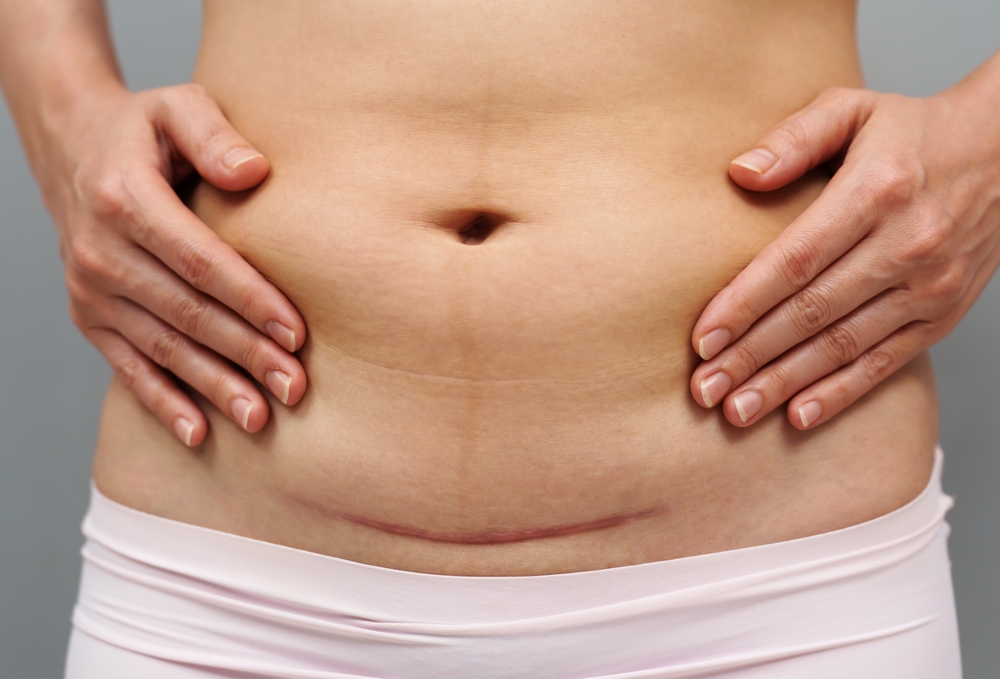
For many women, a C-section scar can feel tight, sensitive, numb, raised, sore or restricted. Some describe a pulling sensation through the lower abdomen, hips, pelvis or lower back. Others notice that returning to exercise, running, lifting, twisting or core training feels different after birth. This is where rehabilitation becomes important.
A Caesarean scar is not only the line you see on the surface. During surgery, several layers of tissue are affected, including the skin, fascia, abdominal wall and deeper connective tissue. As the body heals, scar tissue forms to repair the area.
Scar tissue is a normal and necessary part of healing. The issue is that scar tissue does not always move, stretch or glide like the original tissue. It may become stiff, sensitive or less mobile than the surrounding area. NHS guidance on C-section scar massage explains that excess scar tissue can sometimes cause pulling or tugging sensations and may affect comfort during movement, sex, abdominal recovery, bladder or bowel function, and contribute to backache.
This does not mean every C-section scar will cause problems. Many women recover well without ongoing symptoms. But when the scar feels restricted, uncomfortable or disconnected from the surrounding tissue, it deserves proper attention.
Mechanical rehabilitation means gradually helping the scar and surrounding tissues tolerate movement, pressure, stretch and load again.
After any surgery, the body often protects the area. You may move less, brace your abdomen, avoid certain positions or lose confidence using your core. Over time, this can affect how the lower abdomen, pelvis, hips and spine move together.
A good rehabilitation plan should include:
This matters because recovery is about restoring confidence, comfort and function, not just about the scar looking better.

Focused shockwave therapy, sometimes called focal shockwave, uses acoustic energy to stimulate a biological response in targeted tissue. It is already used in musculoskeletal care for certain tendon, soft tissue and pain conditions. Its use in scar management is newer, but promising.
For postnatal C-section scars, focused shockwave therapy may be considered once the scar is fully healed and there are no signs of infection, open skin, scabbing, redness or unusual swelling. A 2024 systematic review on extracorporeal shockwave therapy for keloid and hypertrophic scars reported improvements in scar appearance, discomfort and function.
The key point is this: focused shockwave therapy should not replace rehabilitation. It should integrate with it.
If the scar is stiff, sensitive or restricted, shockwave may help create a better environment for change. But the body still needs movement, graded loading and specific exercises to regain function.
A complete plan may involve first assessing the scar itself: how it feels, how it moves, whether it is sensitive, whether it pulls in certain directions, and whether the tissues above, below or around it feel restricted.
From there, treatment may combine scar mobilisation, focused shockwave therapy, breathing mechanics, pelvic floor coordination, abdominal strengthening and progressive return-to-fitness work. For someone wanting to return to the gym, running or sport, this progression matters. Going from “the scar is healed” straight into intense training can sometimes lead to discomfort, compensation or frustration.
True C-section recovery is all about restoring movement, strength and confidence after a major surgery.
At M20 Health & Performance, we can assess how your C-section scar is healing and build a tailored plan using scar rehabilitation, movement work and, where appropriate, focused shockwave therapy to help improve comfort, mobility and confidence.
If your scar still feels tight, sensitive or restrictive, book an assessment with M20 Health & Performance and take the next step towards feeling stronger in your body again.
You can contact us here, our Manchester clinic is located in West Didsbury, at 150E Burton Road, Manchester, M20 1LH.